Understand the repair
What this service does
Panel denting is the art of massaging metal back to its original curvature without compromising its strength. We use a variety of specialized hammers, dollies, and stud welders to pull or push the metal into place. This process is essential for maintaining the sharp character lines found on modern luxury cars.
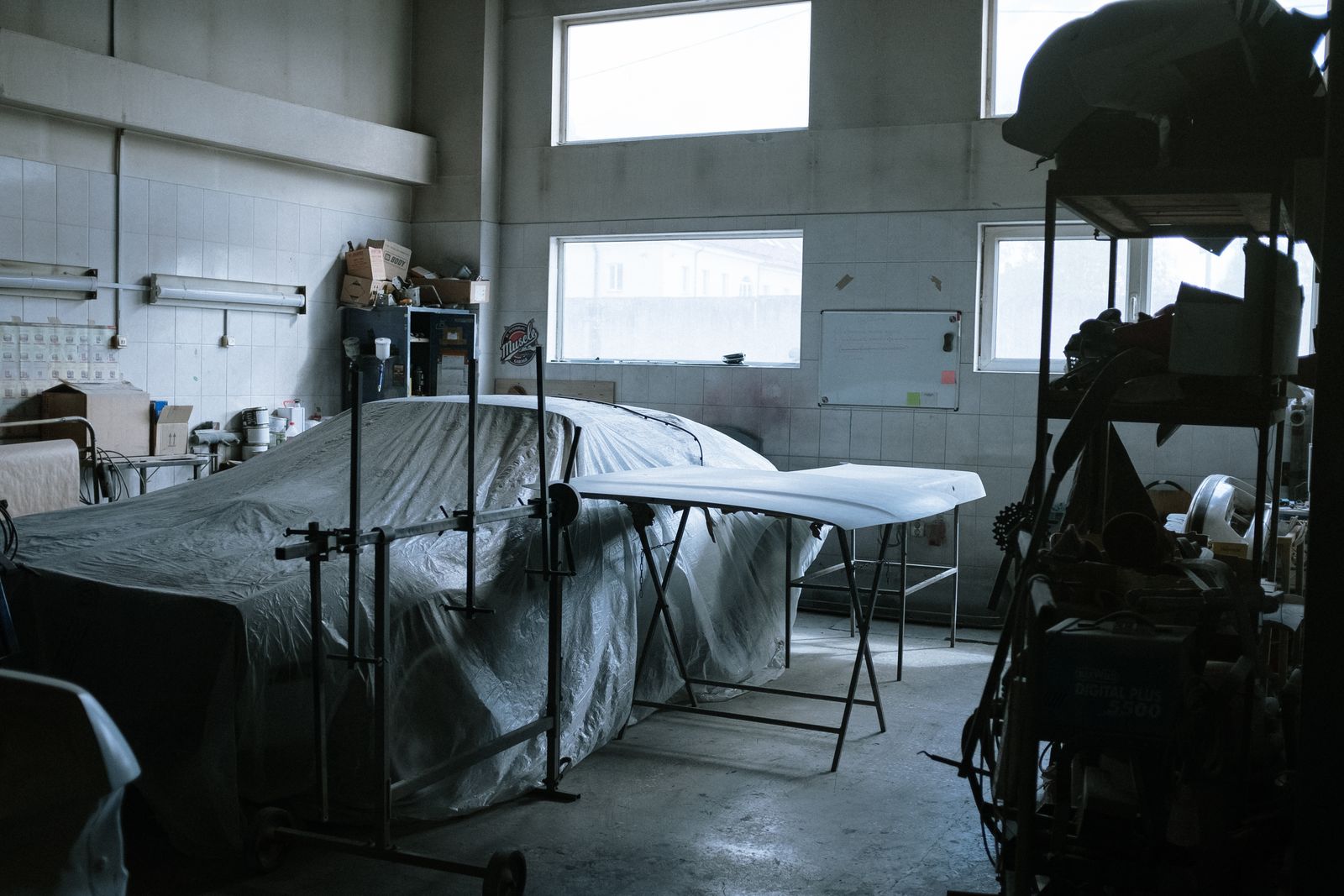
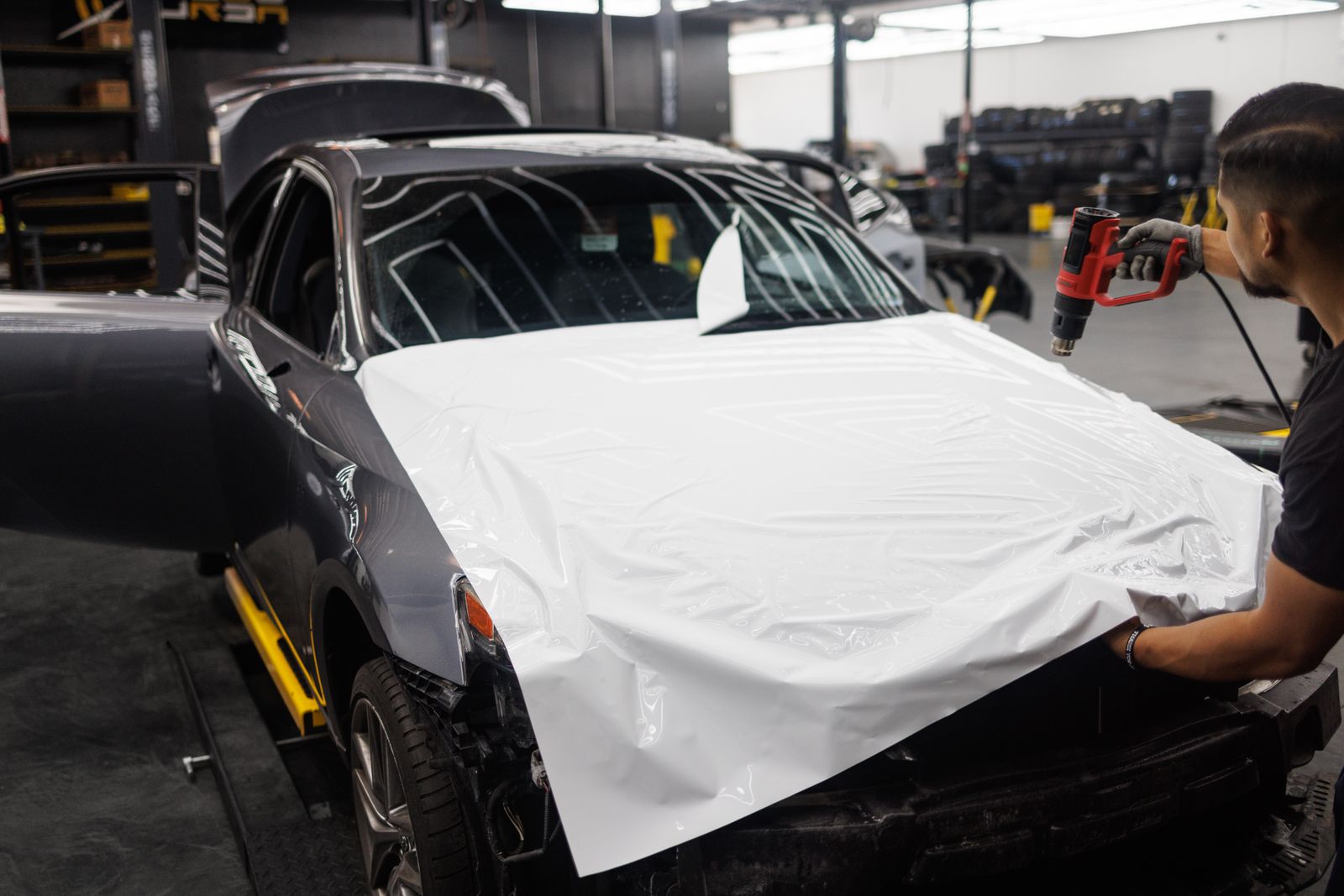
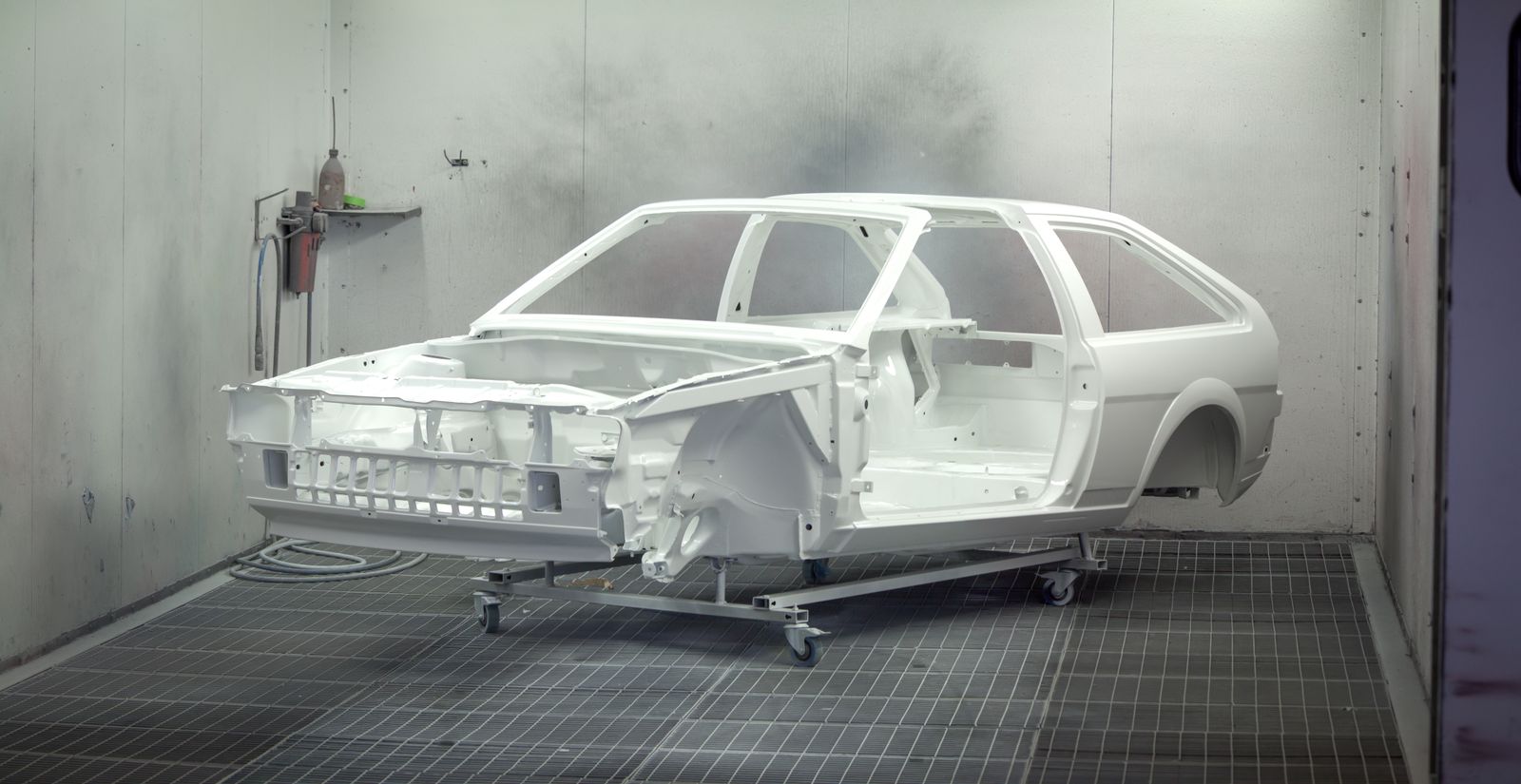
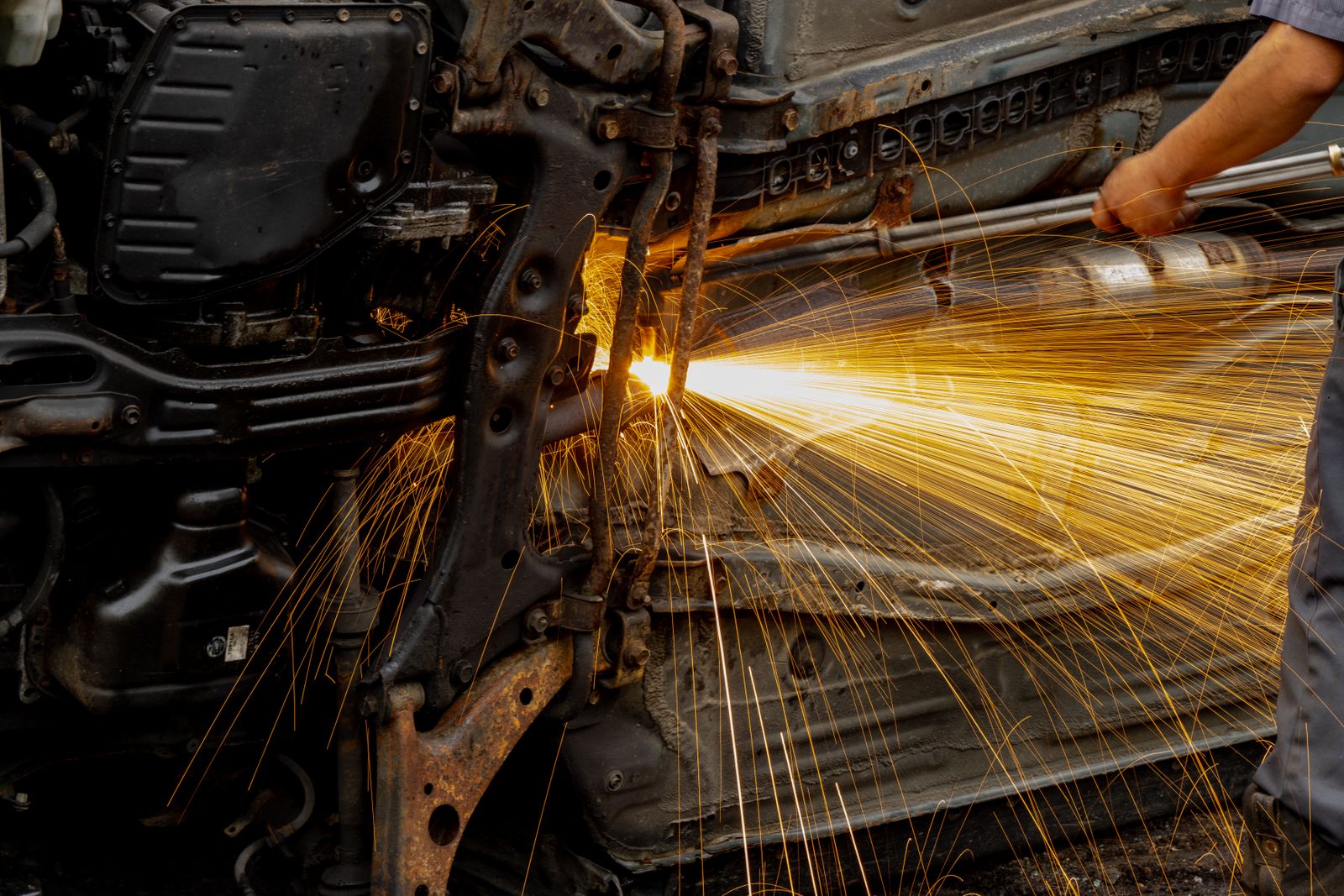
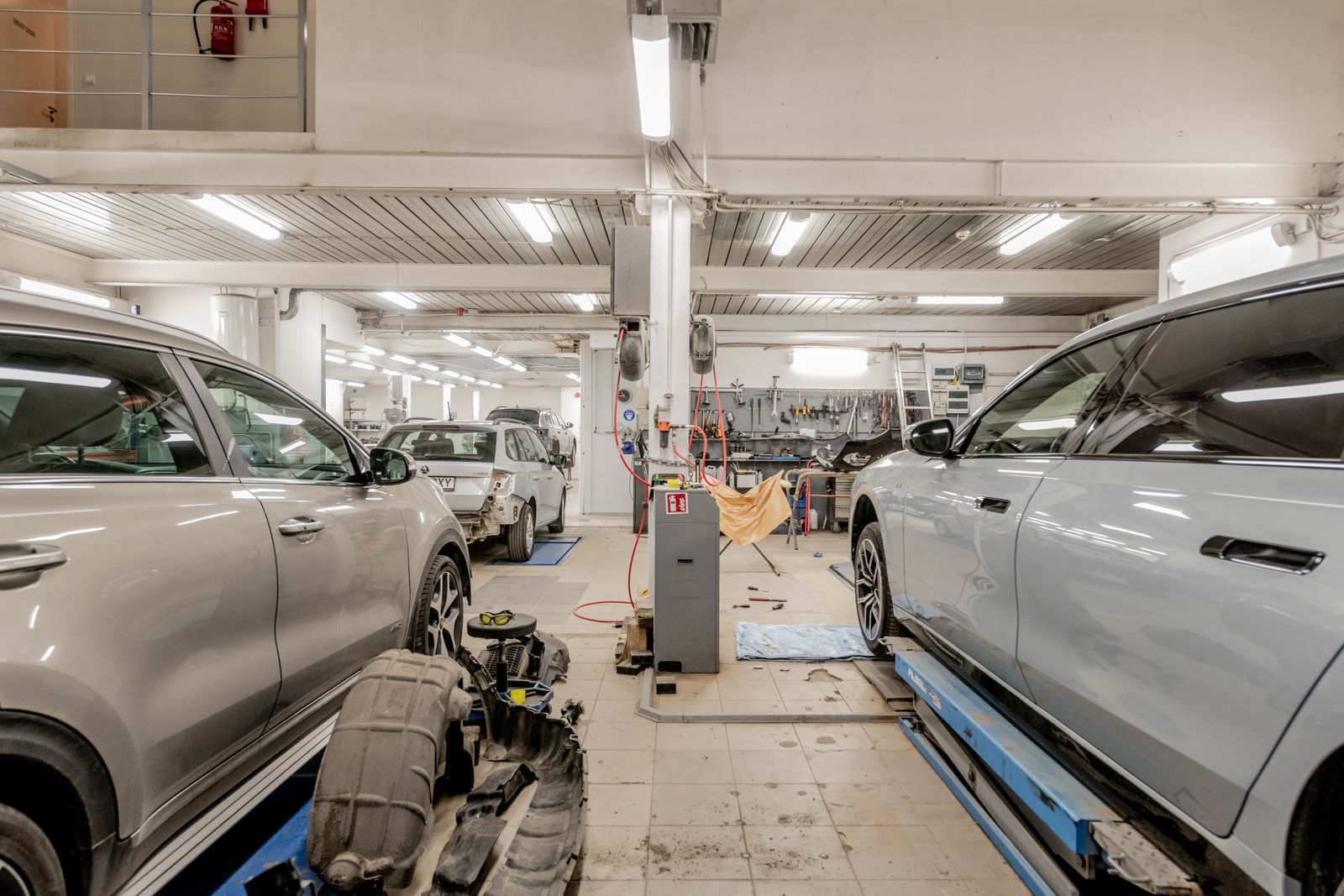
Reference photographs — illustrative examples, not ARS project records. Photo source
What you may notice
Signs you need this service
- Door dings from trolleys
- Wavy light reflections
- Convex or concave ripples
What can cause the problem?
- Shopping trolley impacts
- Falling tree branches
- Minor side-swipes
From inspection to finish
How the work is carried out
Inspect and identify
The technician uses high-intensity LED lamps to reveal the exact highs and lows of the dent. This allows for microscopic precision when selecting the repair point.
- 01
Inspect and identify
The technician uses high-intensity LED lamps to reveal the exact highs and lows of the dent. This allows for microscopic precision when selecting the repair point.
- 02
Repair the confirmed fault
We use specialized hand tools to gradually work the metal back to its factory equilibrium. For deep dents, we use a stud puller to gently lift the center of the depression.
- 03
Check the result
The surface is refined with fine-grit abrasives to ensure a perfectly flat transition between the repair and the original panel. A final check ensures the metal is tension-free and ready for priming.
The exact procedure depends on your vehicle and inspection findings. A technician confirms the work before repair.
Why it matters
Leaving a dent exposes the paint to stress fractures that eventually allow moisture to reach the bare metal. This results in localized bubbling and long-term metal fatigue.
Before you drive
Never attempt to 'pop' a dent yourself with boiling water as it can permanently warp modern composite panels.