Understand the repair
What this service does
Bumper repair involves fixing the flexible plastic components that shield your vehicle's front and rear. We utilize plastic welding and specialized fillers that move with the material to prevent future cracking. This process saves the cost of a full replacement while maintaining the vehicle's resale value.
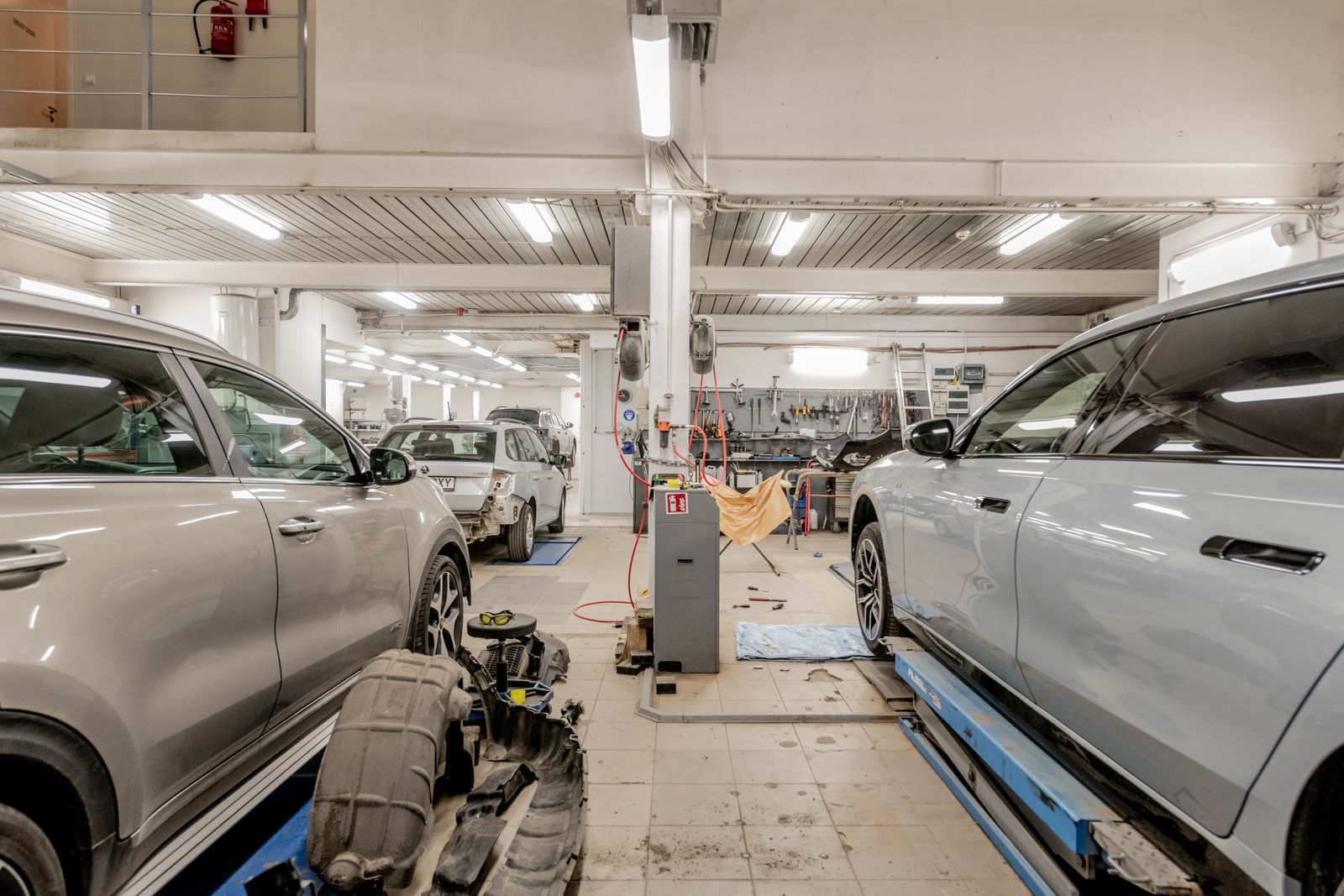
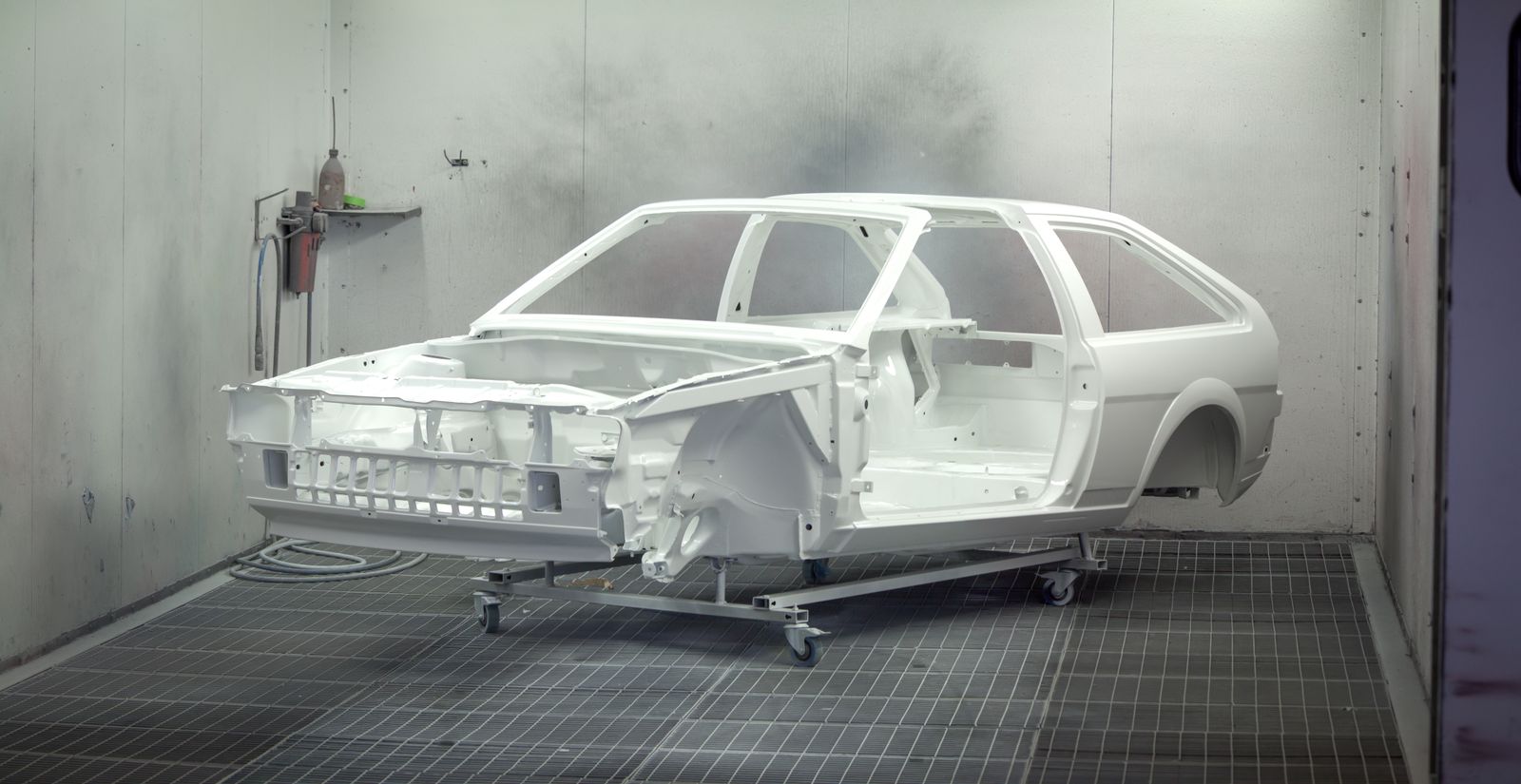
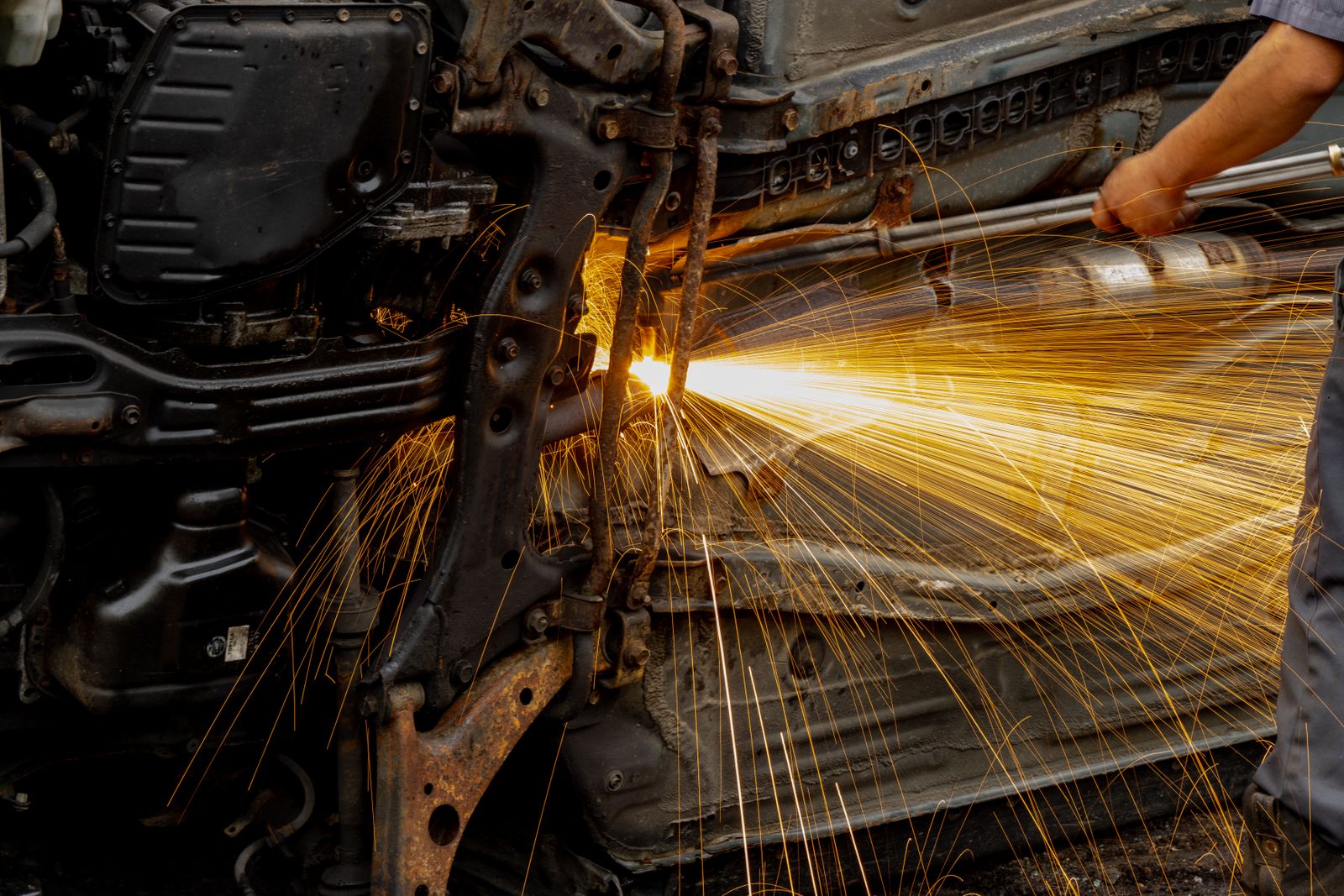
Reference photographs — illustrative examples, not ARS project records. Photo source
What you may notice
Signs you need this service
- Corner scuffs or scratches
- Plastic cracks or splits
- Loose or sagging trim
What can cause the problem?
- Low-speed curb strikes
- Tight parking maneuvers
- Flying road gravel
From inspection to finish
How the work is carried out
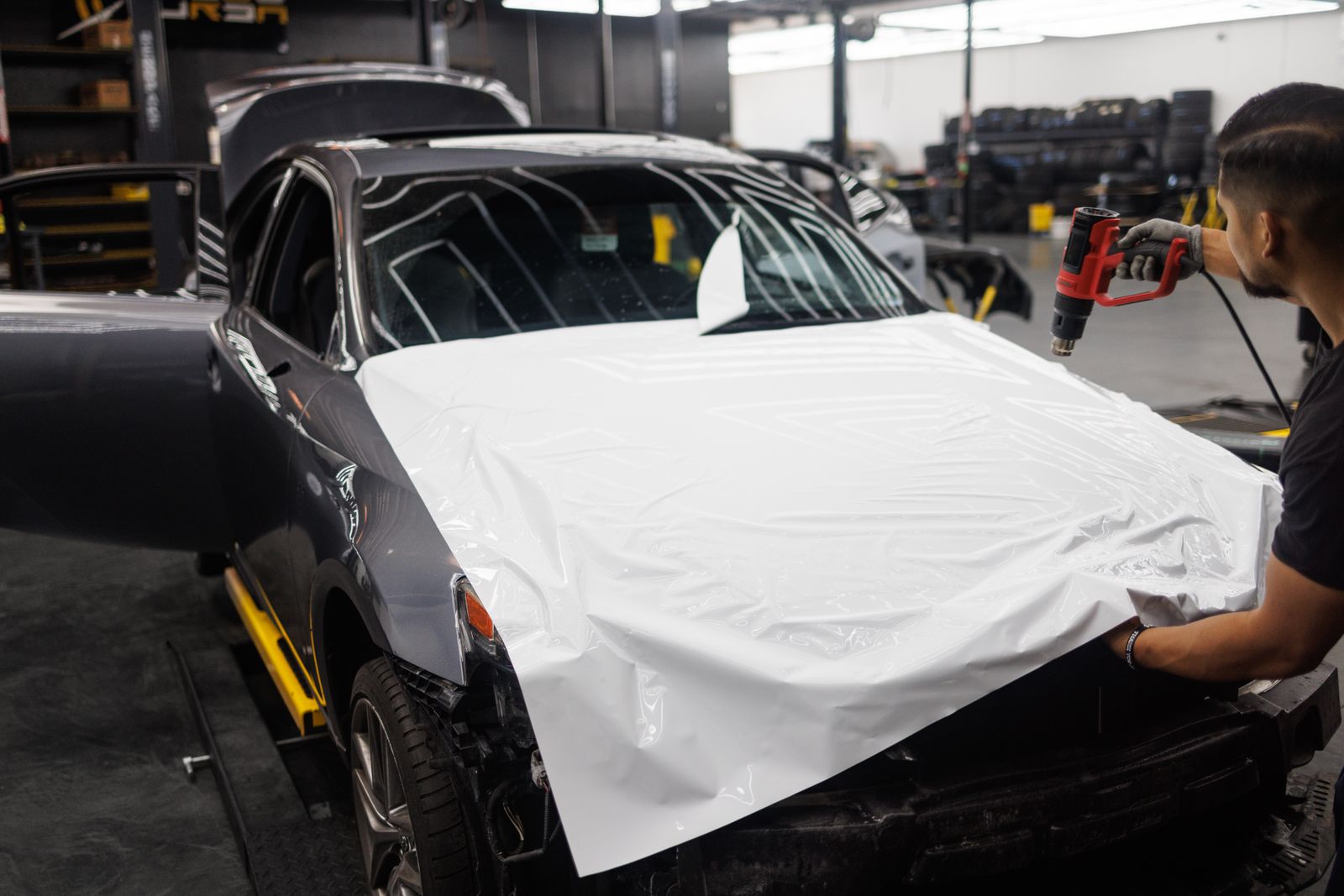
Inspect and identify
We remove the bumper to access the rear side and clean away all road grime and silicones. This prevents contaminants from bubbling the new paint later in the process.
- 01
Inspect and identify
We remove the bumper to access the rear side and clean away all road grime and silicones. This prevents contaminants from bubbling the new paint later in the process.
- 02
Repair the confirmed fault
Fractures are repaired using thermal plastic staples or flexible epoxy resins to restore structural rigidity. The surface is then block-sanded to a perfectly smooth profile.
- 03
Check the result
A flex-agent is added to the paint mix to ensure the finish does not flake when the plastic expands in the heat. We then re-install the bumper and calibrate any integrated parking sensors.
The exact procedure depends on your vehicle and inspection findings. A technician confirms the work before repair.
Why it matters
Unrepaired cracks can expand over time due to road vibrations and wind pressure. Eventually, the structural integrity of the bumper fails, leading to potential detachment.
Before you drive
Keep your parking sensors clean of heavy wax or dirt to ensure they correctly detect obstacles.