Understand the repair
What this service does
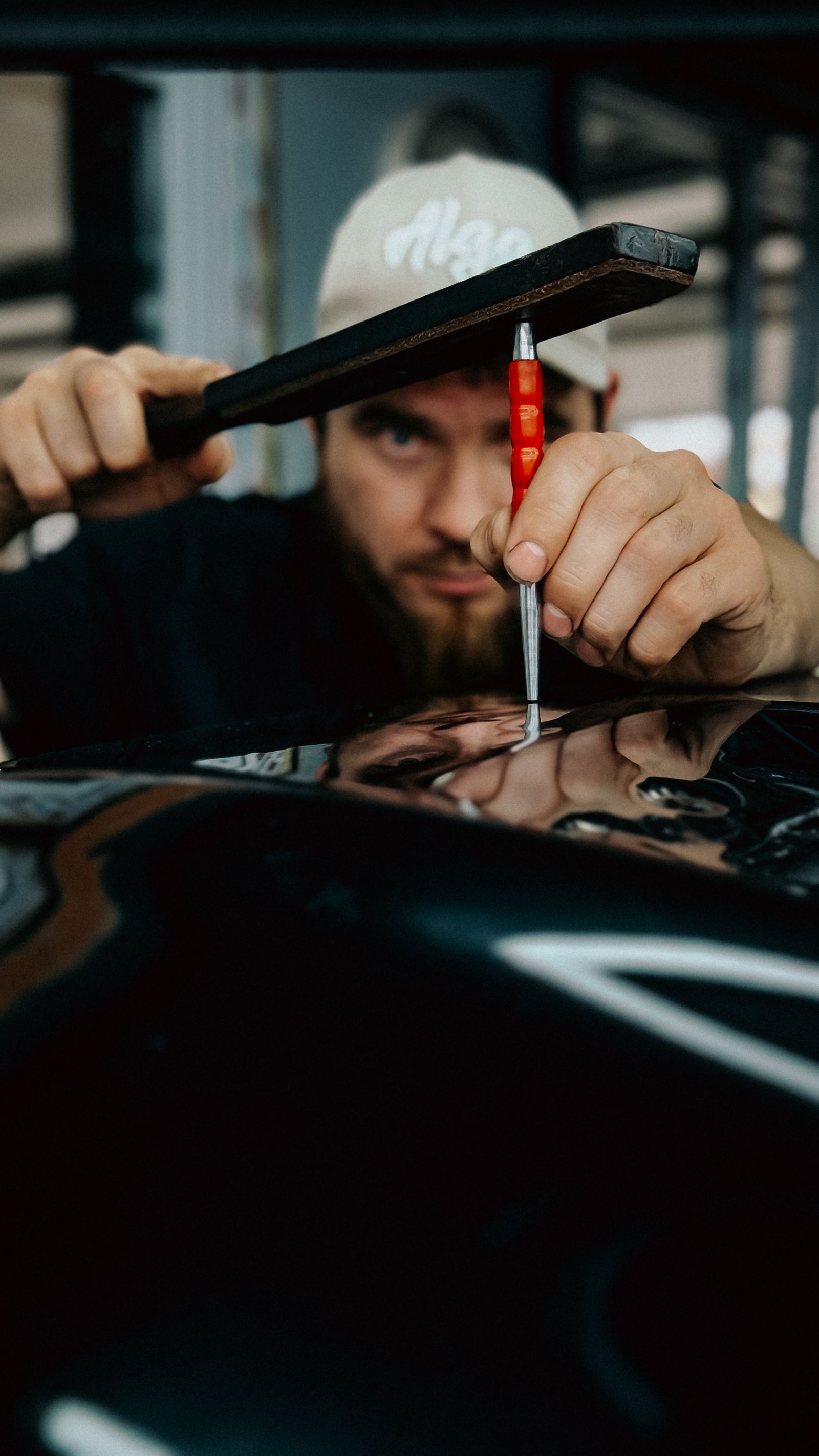
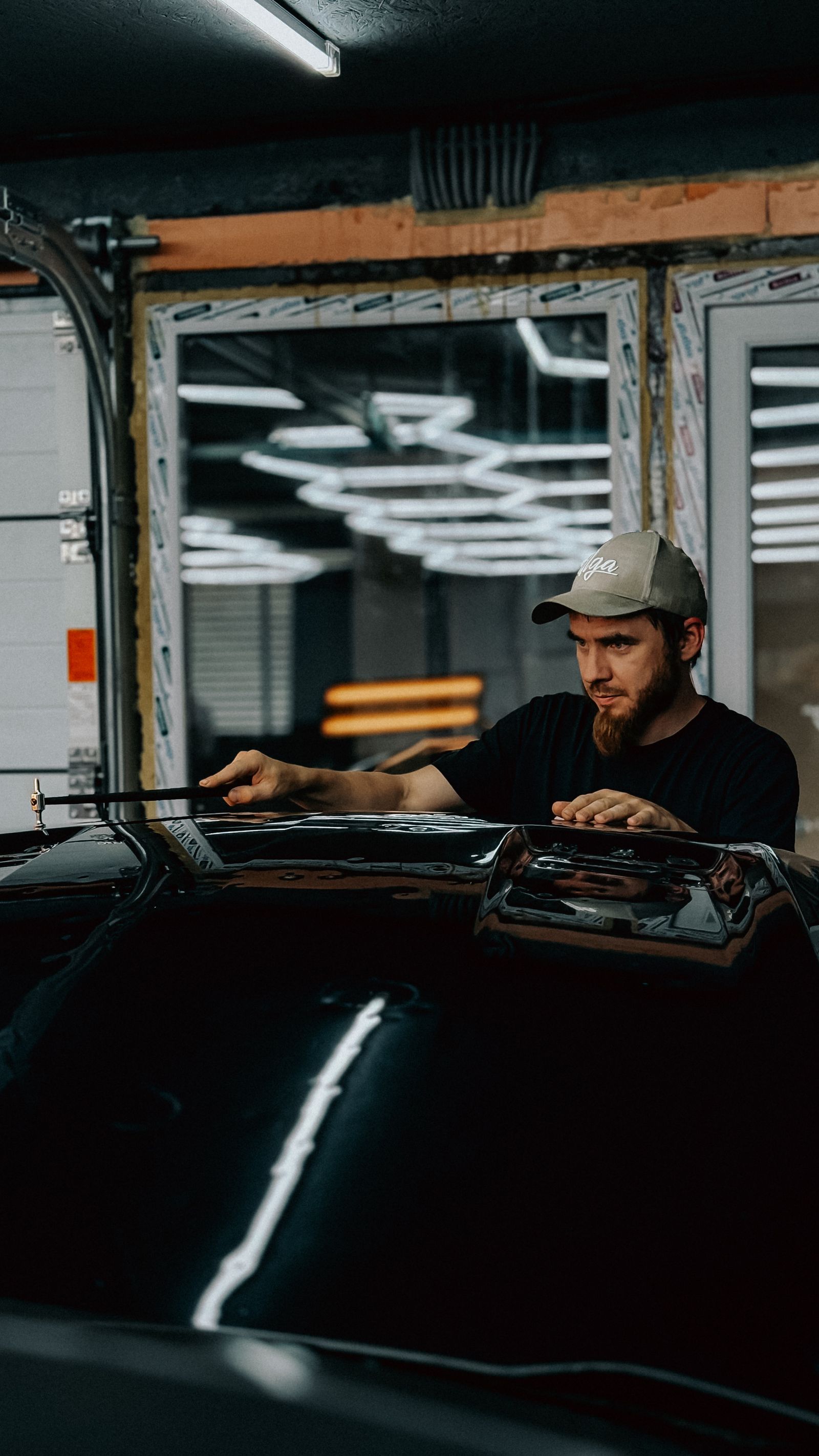
Hail damage repair involves addressing dozens or even hundreds of small impacts across the car's upper surfaces. We use a combination of specialized pushing and glue-pulling techniques to restore the roof and hood. This process avoids the need to respray the entire top half of the vehicle.
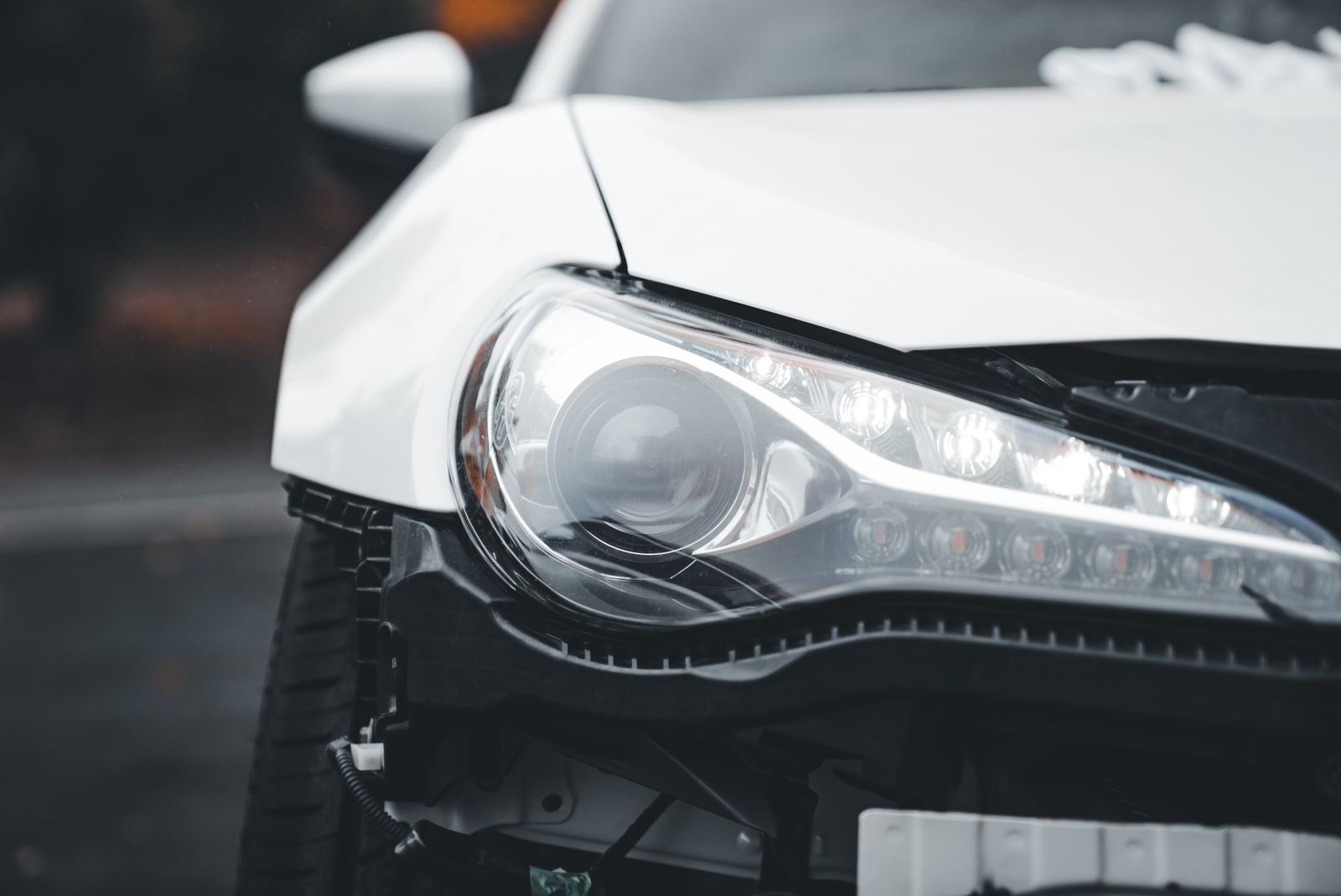
Reference photographs — illustrative examples, not ARS project records. Photo source
What you may notice
Signs you need this service
- Multiple shallow pits across horizontal surfaces
- Dimpled texture on the hood and roof
- Distorted reflections on the car's upper body
What can cause the problem?
- High-velocity ice pellets during seasonal UAE thunderstorms.
- Falling debris during heavy wind and sandstorms.
- Exposure to falling objects in uncovered parking areas.
From inspection to finish
How the work is carried out
Inspect and identify
We conduct a full surface scan using specialized light boards to mark every individual hail strike. This ensures no small dimples are missed across the roof and hood.
- 01
Inspect and identify
We conduct a full surface scan using specialized light boards to mark every individual hail strike. This ensures no small dimples are missed across the roof and hood.
- 02
Repair the confirmed fault
Technicians use a mix of long-reach tools and cold-glue systems to lift the center of each impact. We carefully balance the metal tension to avoid high spots.
- 03
Check the result
The entire vehicle is moved under natural light to verify a uniform finish across all panels. We ensure all interior roof linings are professionally reinstalled.
The exact procedure depends on your vehicle and inspection findings. A technician confirms the work before repair.
Why it matters
Unrepaired hail damage can lead to micro-cracking in the clear coat due to thermal expansion in the Dubai heat. It significantly lowers the trade-in value of high-end vehicles.
Before you drive
Use covered parking or a padded car cover when storms are forecasted.