Understand the repair
What this service does
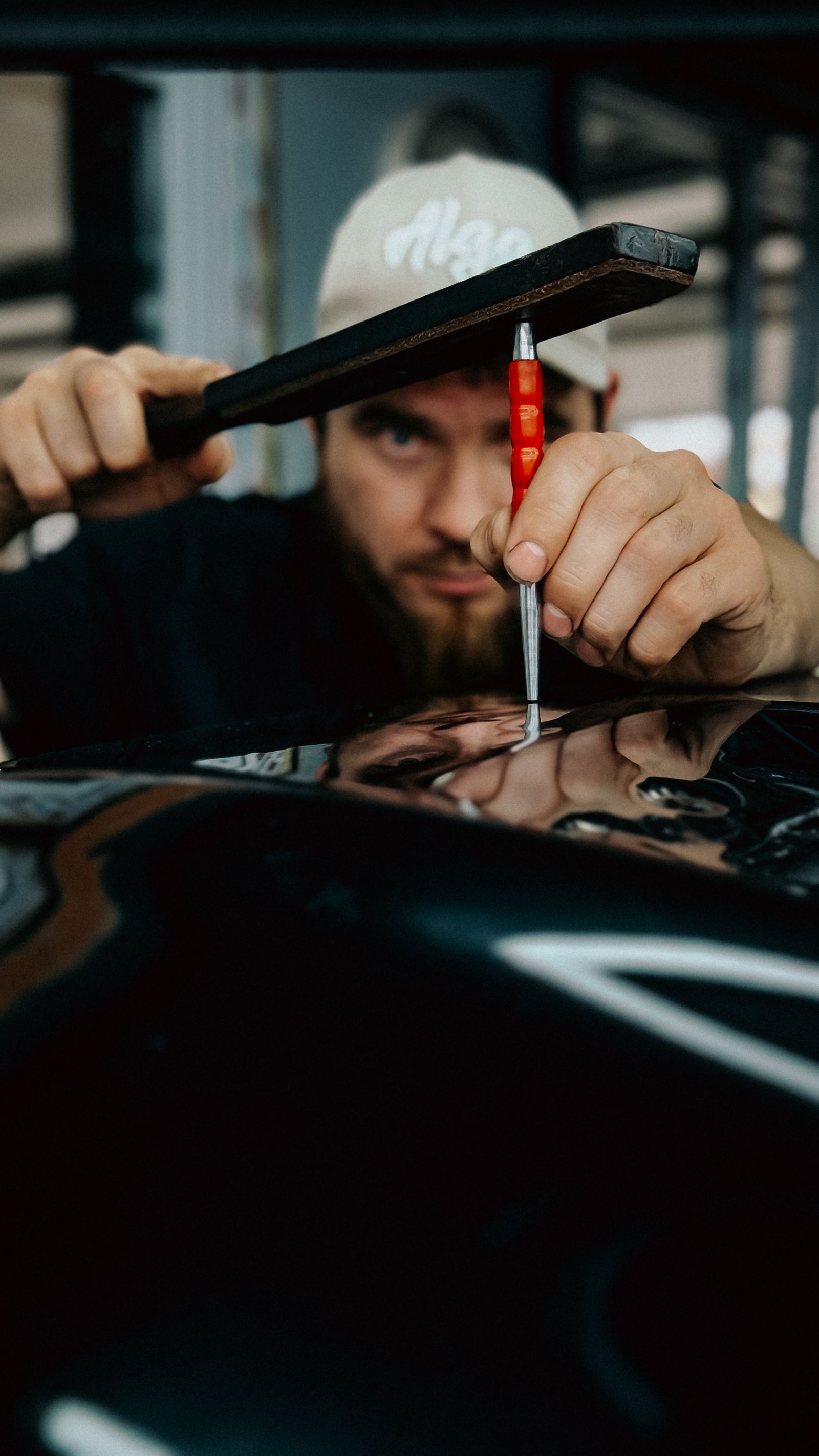
Crease repair is one of the most technical forms of PDR, requiring the restoration of a vehicle's sharp body lines. We work to 'unfold' the metal and release the tension created by the impact. This saves the original panel and avoids the use of heavy body fillers.
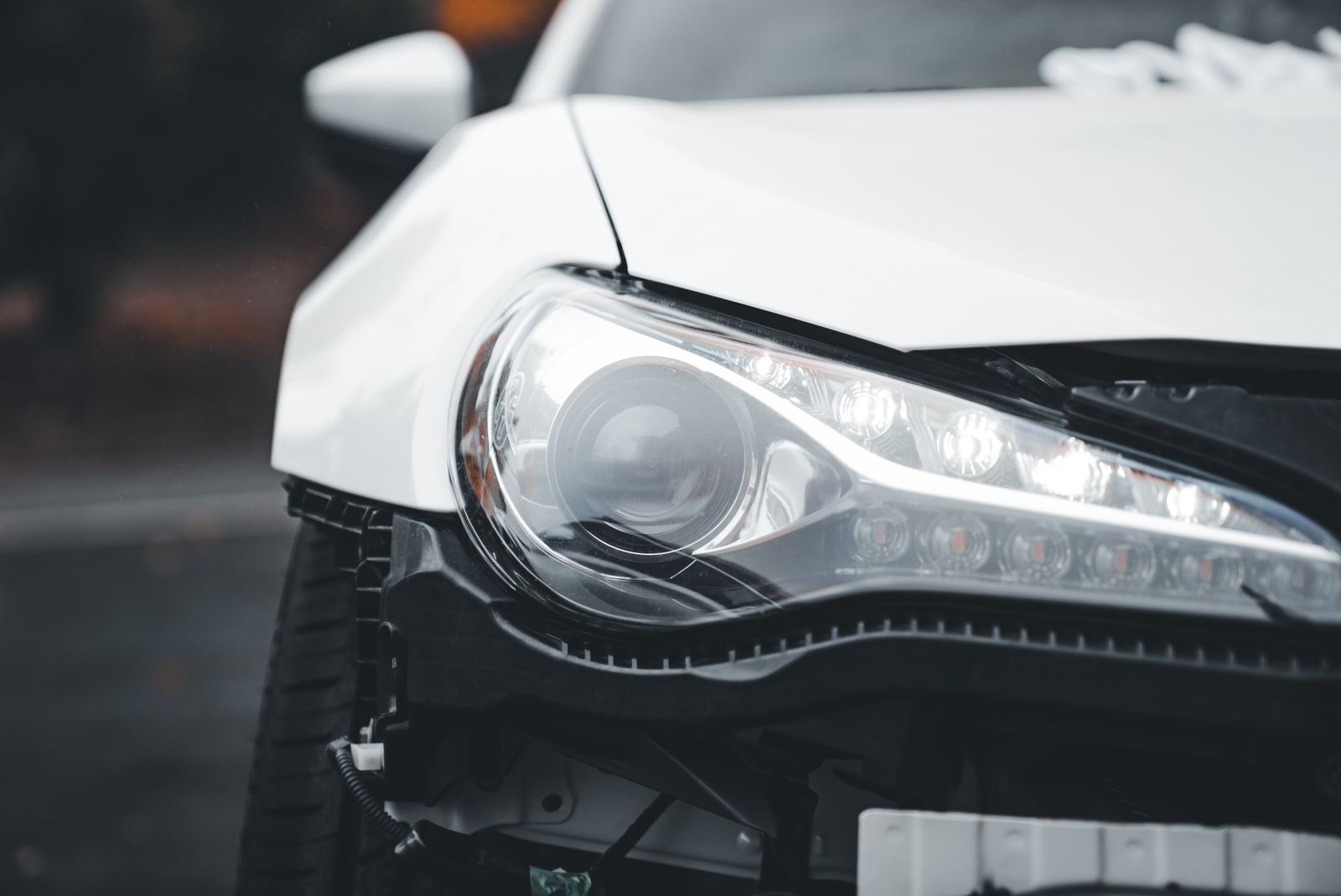
Reference photographs — illustrative examples, not ARS project records. Photo source
What you may notice
Signs you need this service
- Elongated sharp lines across the door or wing
- Folded metal along the car's character lines
- Prominent V-shaped depressions in the panel
What can cause the problem?
- Scraping against concrete pillars in underground car parks.
- Side-swiping incidents involving low-speed contact.
- Bicycles or heavy objects falling against the side of the car.
From inspection to finish
How the work is carried out
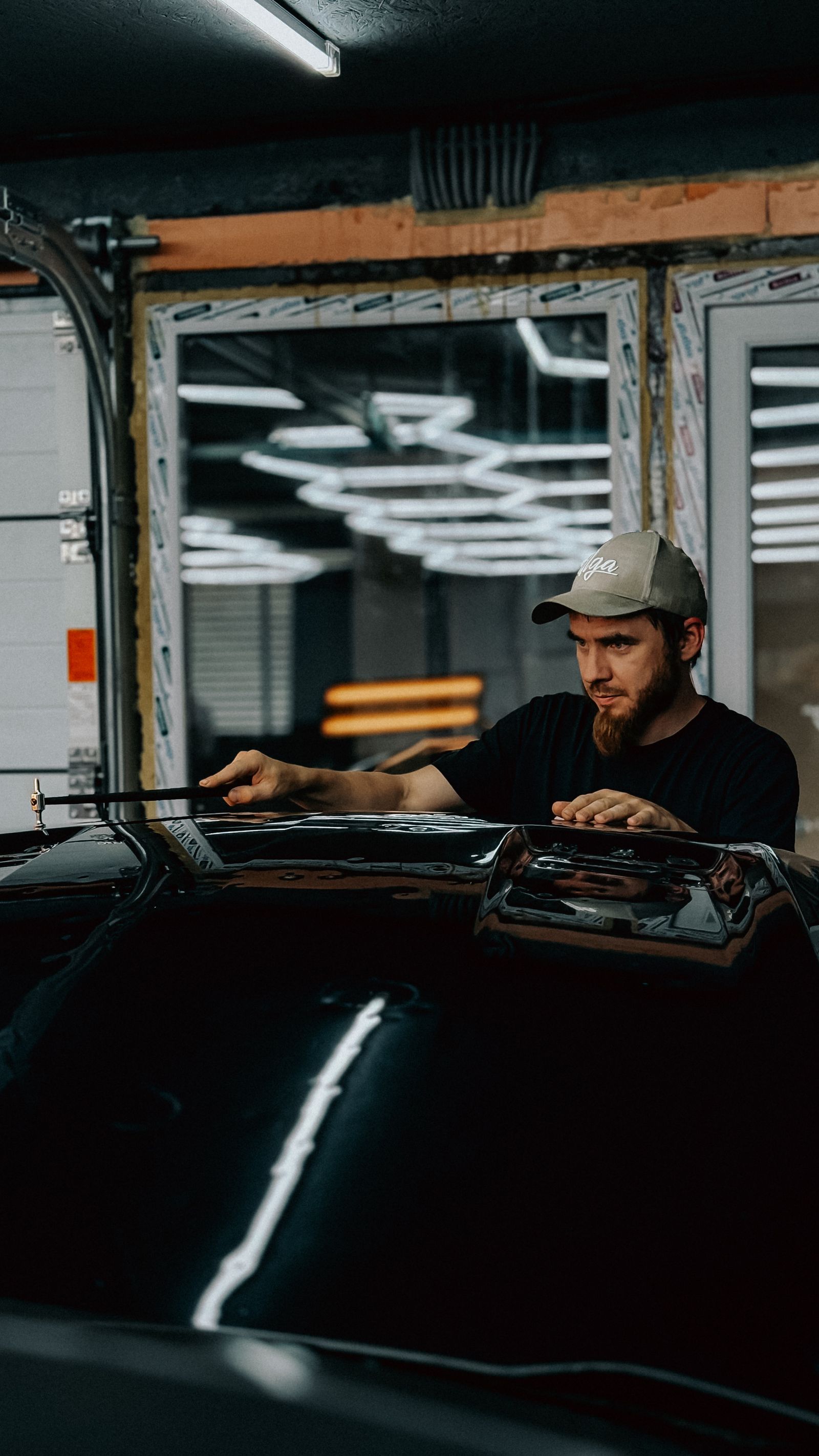
Inspect and identify
The technician analyzes the 'crown' or pressure point where the metal is most pinched. We plan the sequence of releases to avoid stretching the panel further.
- 01
Inspect and identify
The technician analyzes the 'crown' or pressure point where the metal is most pinched. We plan the sequence of releases to avoid stretching the panel further.
- 02
Repair the confirmed fault
We utilize sharp-tipped tools to delicately trace the path of the crease from behind. By working the ends of the crease toward the center, we effectively unzip the damage.
- 03
Check the result
We use blending hammers and knockdown tools to flatten the surrounding high spots created by the impact. The final result is a seamless restoration of the car's original silhouette.
The exact procedure depends on your vehicle and inspection findings. A technician confirms the work before repair.
Why it matters
Creases left untreated can eventually cause the paint to flake at the sharpest point of the bend. This leads to exposed metal which can be affected by humidity and heat.
Before you drive
Utilize your vehicle's 360-degree cameras when navigating tight Al Quoz alleys.