Understand the repair
What this service does
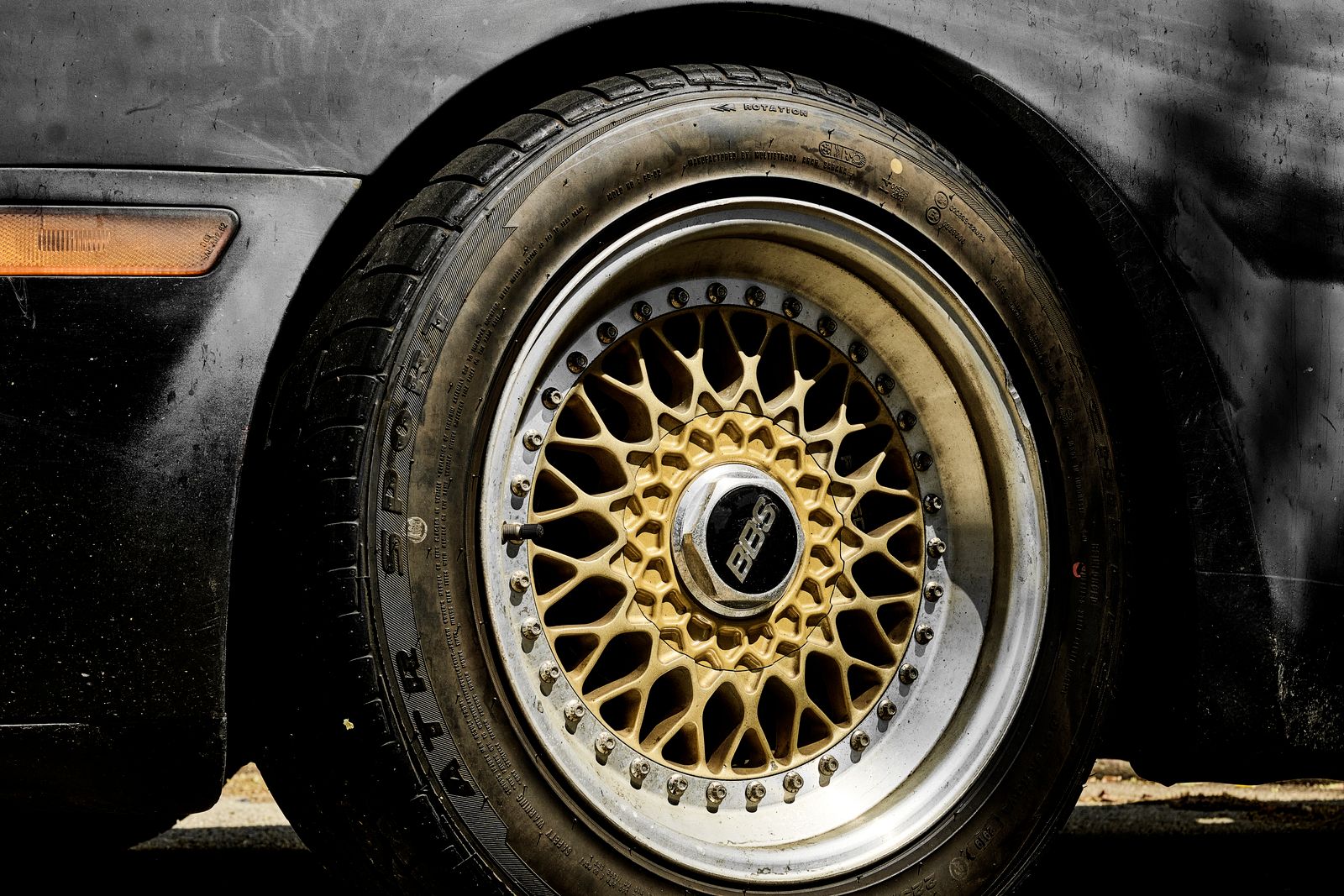
Corrosion often starts as tiny stone chips that allow salt and moisture to get under the lacquer. Once trapped, this moisture causes the aluminum to oxidize, creating unsightly white 'worms' across the wheel. We strip the failing lacquer entirely to treat the metal and re-seal it professionally.
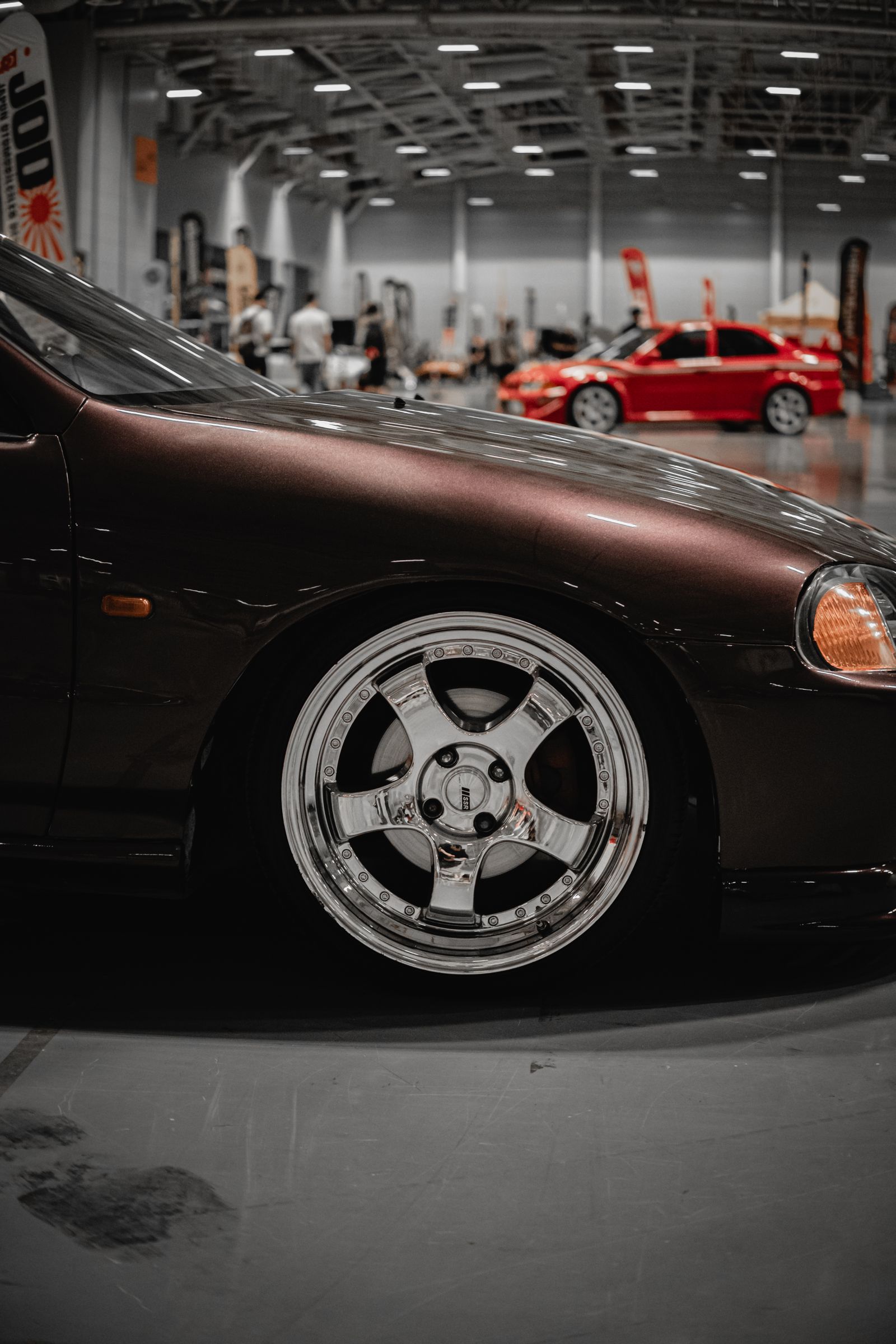
Reference photographs — illustrative examples, not ARS project records. Photo source
What you may notice
Signs you need this service
- White milky patches
- Peeling clear film
- Dark oxidation spots
What can cause the problem?
- Extreme humidity in the UAE penetrating small chips in the protective seal.
- Harsh chemicals used in some car washes that strip away the lacquer's integrity.
- Brake dust buildup that generates heat and eats through the clear coating.
From inspection to finish
How the work is carried out
Inspect and identify
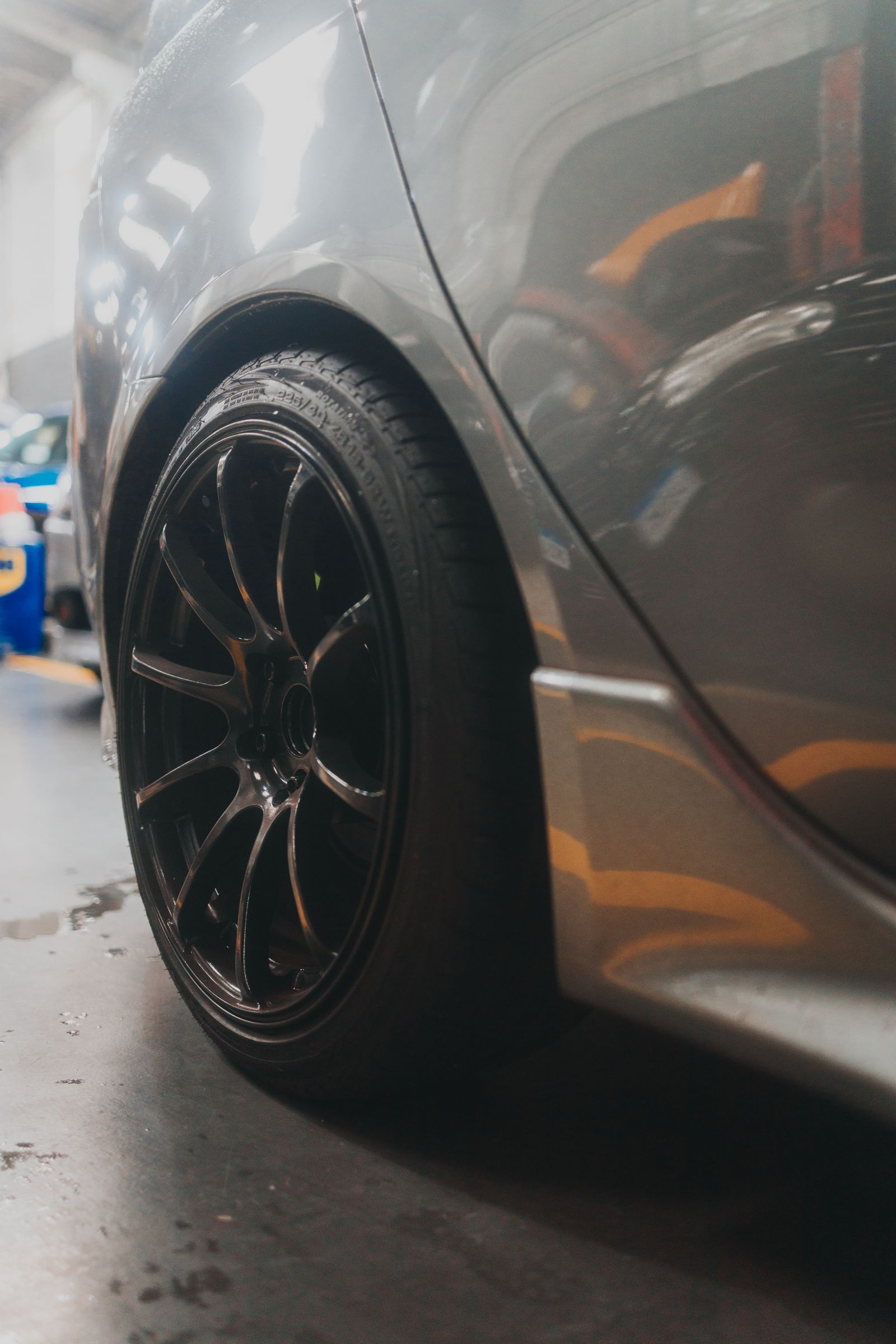
We perform a detailed inspection to identify all areas where the seal has been compromised. The wheel is then chemically stripped to remove all traces of old, failing lacquer.
- 01
Inspect and identify
We perform a detailed inspection to identify all areas where the seal has been compromised. The wheel is then chemically stripped to remove all traces of old, failing lacquer.
- 02
Repair the confirmed fault
The oxidized metal is polished and prepared with a specialized etch primer to prevent future corrosion. We then re-machine the face to ensure a perfectly clean surface for the new coat.
- 03
Check the result
The wheel is finished with an industrial-grade clear lacquer applied in a dust-free booth. We inspect the bond strength to ensure the repair can withstand Dubai's intense summer heat.
The exact procedure depends on your vehicle and inspection findings. A technician confirms the work before repair.
Why it matters
Unchecked corrosion will eventually spread across the entire wheel face and into the tire bead area. This can cause slow air leaks and permanent pitting that cannot be machined out.
Before you drive
Avoid using acidic wheel cleaners as they accelerate lacquer failure and metal oxidation.