Understand the repair
What this service does
Headlight polishing removes the oxidized top layer of the plastic lens that clouds over time. We use a series of sanding and polishing steps to return the light covers to their original transparency. This process restores the sharp look of the vehicle's 'eyes' while improving light output.
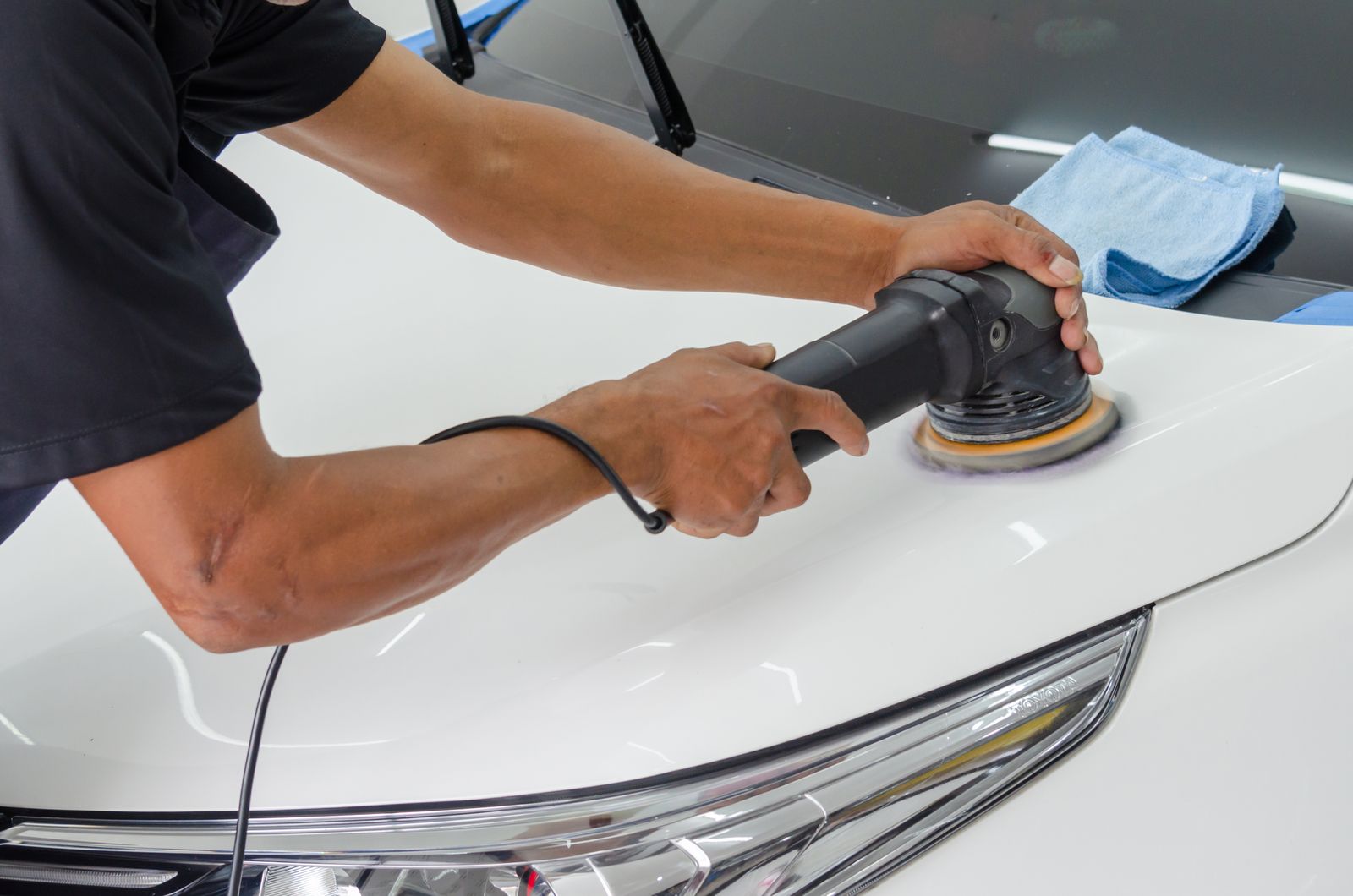
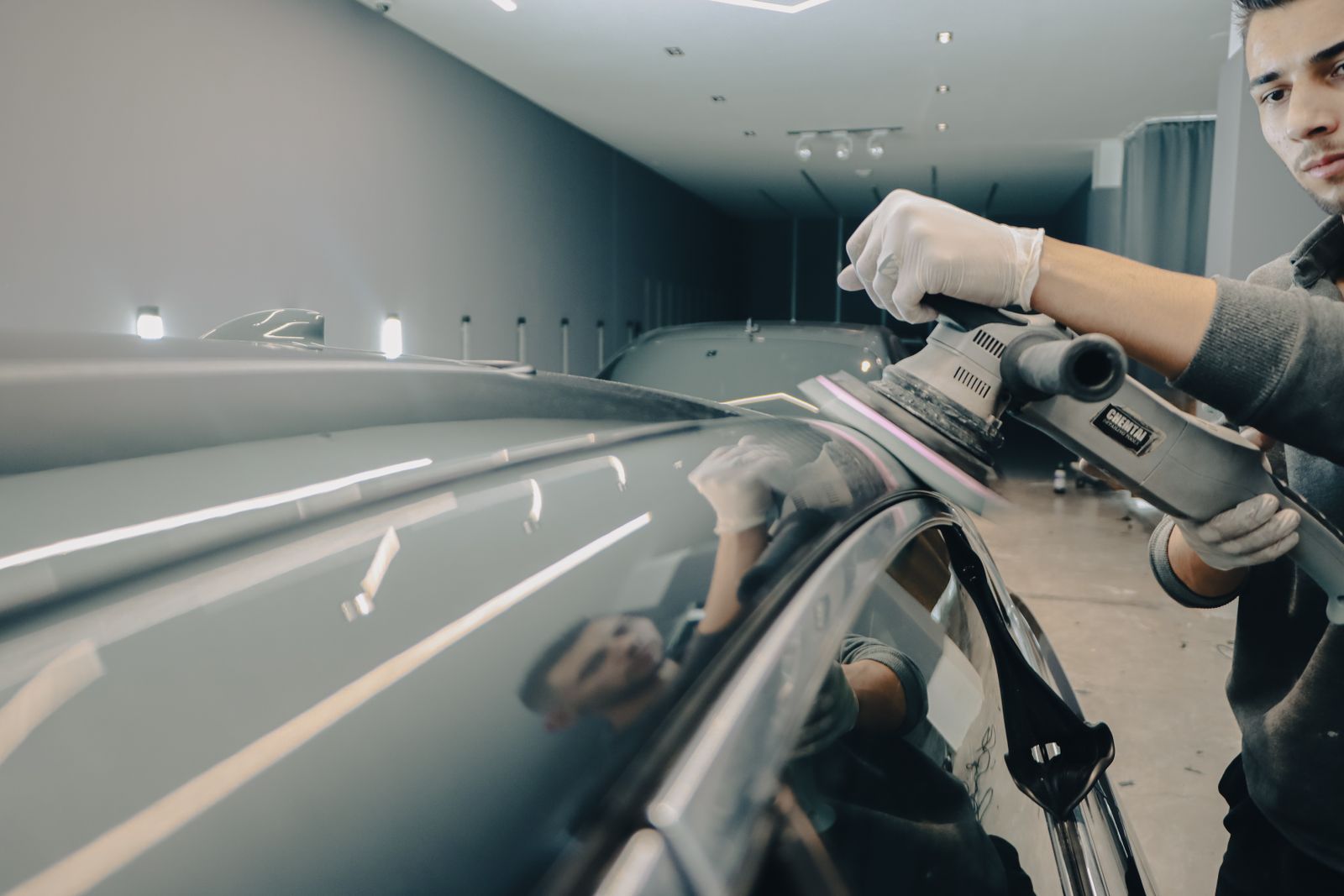
Reference photographs — illustrative examples, not ARS project records. Photo source
What you may notice
Signs you need this service
- Yellow or hazy lens appearance
- Diminished night-time visibility
- Rough, pitted texture on the plastic
What can cause the problem?
- High UV radiation breaking down the factory protective coating.
- Road debris and sand pitting the surface of the plastic lenses.
- Harsh cleaning chemicals causing the polycarbonate to dry out and crack.
From inspection to finish
How the work is carried out
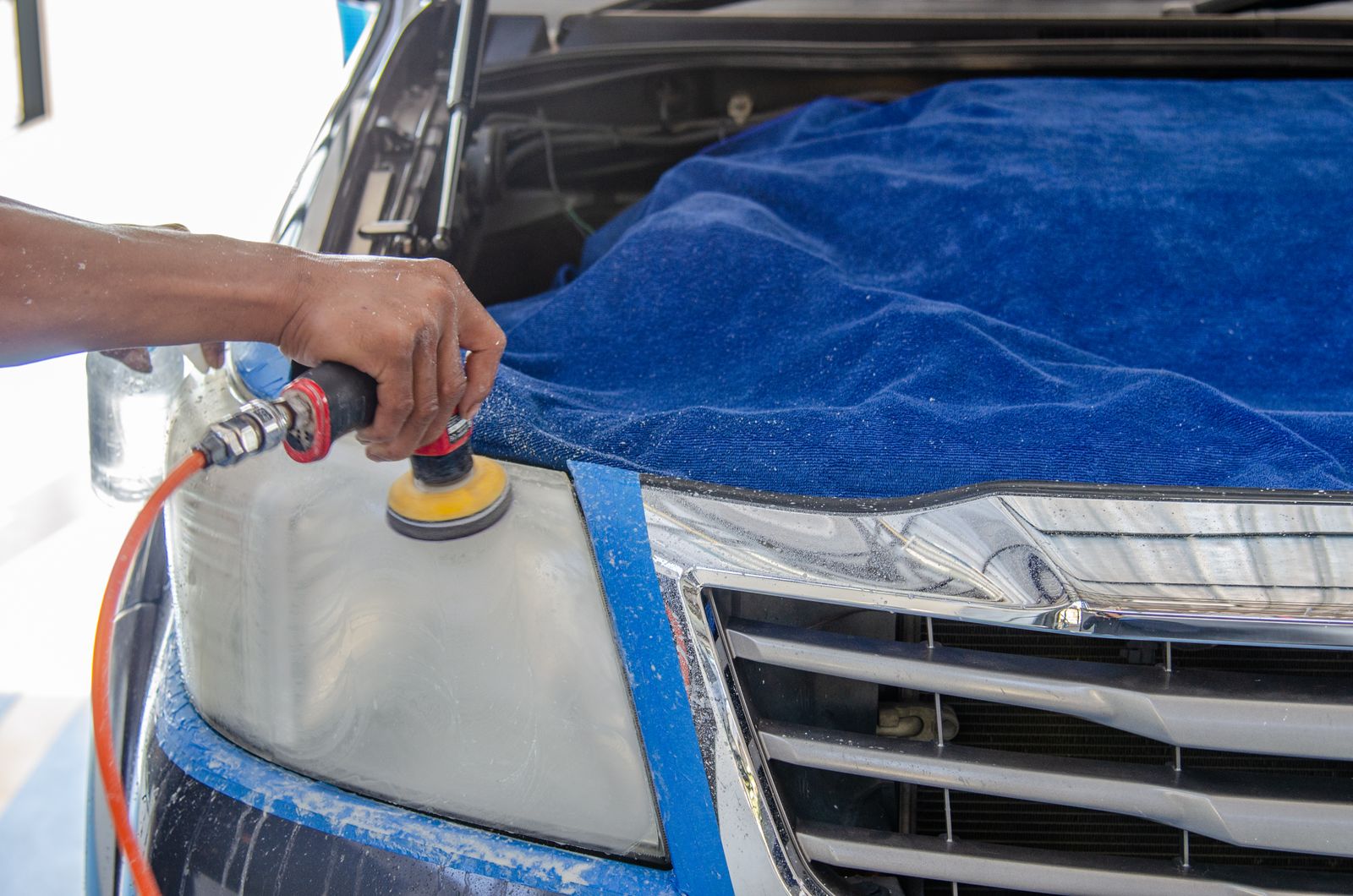
Inspect and identify
The surrounding body panels are carefully masked off with protective tape to prevent any damage to the paintwork. We then wet-sand the lenses using progressive grits to remove the heavy oxidation.
- 01
Inspect and identify
The surrounding body panels are carefully masked off with protective tape to prevent any damage to the paintwork. We then wet-sand the lenses using progressive grits to remove the heavy oxidation.
- 02
Repair the confirmed fault
A machine polisher is used with a plastic-specific compound to buff away the sanding marks. This restores the optical clarity and smooths the surface to a high gloss.
- 03
Check the result
We apply a UV-resistant clear sealant to bond with the plastic and provide a new protective barrier. This final layer is cured to ensure long-lasting transparency against the sun.
The exact procedure depends on your vehicle and inspection findings. A technician confirms the work before repair.
Why it matters
Oxidized headlights significantly reduce your vision during night driving, creating a safety hazard. Faded lenses can also lead to a failure during the annual RTA vehicle registration inspection.
Before you drive
Park in shaded areas whenever possible to minimize the UV impact on your headlight lenses.